


Key Takeaways
- An OCT scan captures detailed images of your retina quickly and comfortably.
- It can spot glaucoma, macular degeneration, and diabetic eye changes before symptoms appear.
- Retinal changes can affect night driving and glare sensitivity.
- Every family member, from children to seniors, can benefit from routine scans.
- Pairing your exam with updated lenses can support clearer, more comfortable vision.
You might notice your eyes feel perfectly fine, no redness, no pain, no blurry mornings. But some eye conditions develop quietly, long before you’d ever notice a change. That’s exactly why more families are adding OCT scans to their routine eye care at Calgary Optometry Centre.
An OCT scan gives the doctor a detailed look at the layers beneath your eye’s surface, helping to catch changes early so your vision stays on track. It’s a fast, comfortable tool that takes the guesswork out of eye health.
What an OCT Scan Actually Does
Think of an OCT scan like an ultrasound, but for your eye. It uses light waves to capture clear, detailed images of your retina without touching your eye at all. The whole process takes just a few minutes from start to finish.
The scan shows each individual layer of the retina in sharp detail. That level of clarity is something a standard eye chart or even a routine eye exam can’t always provide on its own. It gives the doctor a much fuller picture of what’s going on inside your eye. You can learn more about how OCT imaging works and why it’s become such a trusted tool in eye care.
Eye Health Issues an OCT Scan Can Spot
Common Conditions Caught Early
Some of the most common eye conditions, including glaucoma, macular degeneration, and diabetic eye changes, often have no noticeable symptoms in their early stages. An OCT scan can detect retinal thinning before you ever feel a difference in your vision. That early information can make a real difference in how your eye health is managed going forward.
Fluid buildup in the retina is another change the scan can pick up. This type of buildup can quietly affect your central vision over time. Catching it early gives the doctor a chance to address it sooner rather than later.
How This Connects to Night Driving & Glare
If you’ve noticed that night driving feels harder than it used to, or that headlights seem to scatter more than they should, your retina may be part of the picture. Retinal changes can affect how your eyes process light in low-contrast situations, making glare feel more intense and distances harder to judge at night. If you also have astigmatism, these tips on safer night driving with astigmatism are worth a read.
Increased glare sensitivity can sometimes be an early sign that something subtle is shifting in your eye health. An OCT scan helps the doctor connect those everyday experiences to what’s actually happening in the layers of your retina. Early detection means you can start addressing those symptoms sooner.
Why Early Detection Matters for Your Whole Family
Eye health isn’t just an adult concern. Children, adults, and seniors all have different risks when it comes to retinal health, and routine OCT scans can help monitor each stage of life. A scan that looks normal today also becomes a valuable reference point for spotting future changes. For children especially, routine eye exams are a key part of healthy development.
Many eye conditions don’t come with obvious warning signs until they’ve already progressed. Routine scans take the guesswork out of the picture by giving the doctor real data to work with over time. For your whole family, that kind of consistent monitoring is a smart part of staying ahead. In fact, comprehensive eye exams can detect over 270 health conditions, making them about much more than just vision.
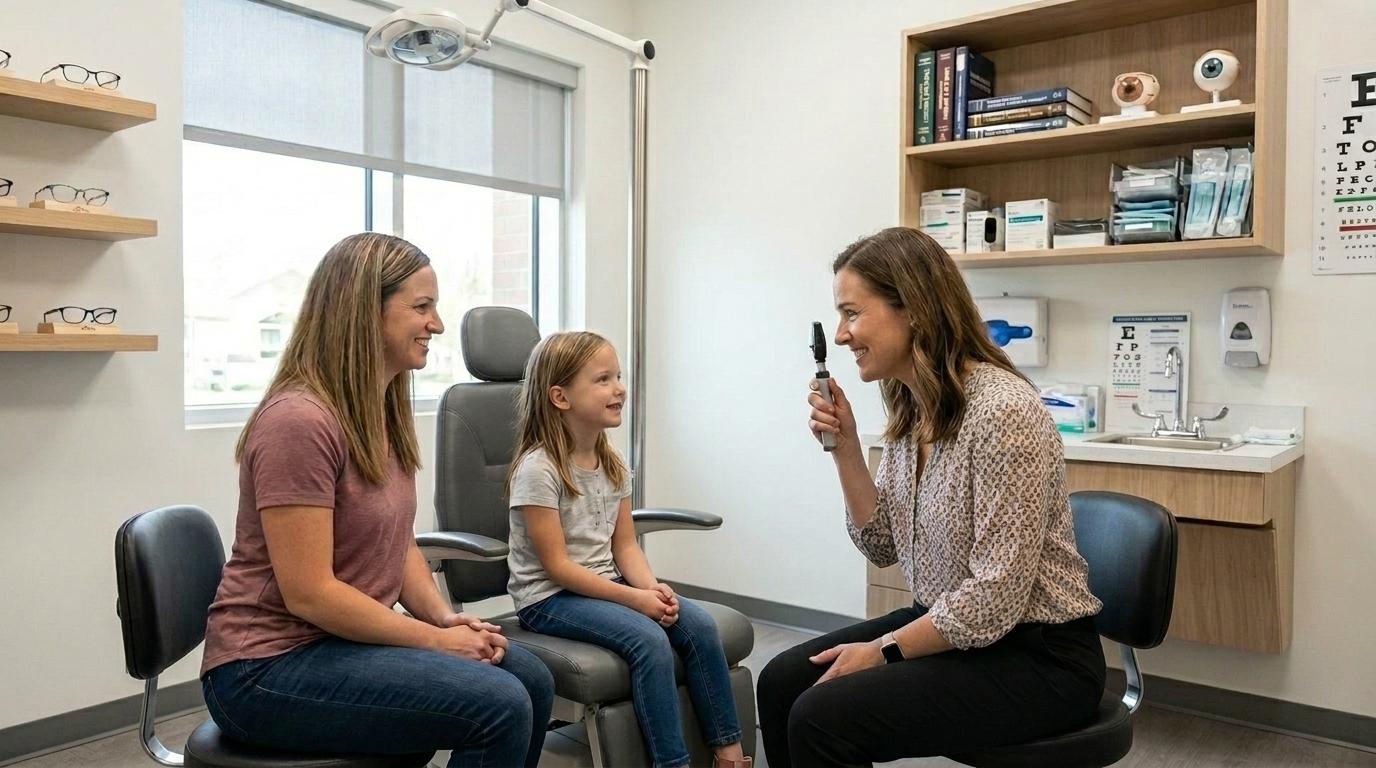
Person receiving a comprehensive eye exam at an optometry clinic in Calgary
Person getting an eye exam
What to Expect at Your OCT Appointment
Before the Scan
There’s no special preparation needed before your OCT scan. You don’t need to fast, adjust your medications, or rearrange your schedule in any major way. The scan itself takes only a few minutes, so it fits easily into a regular eye exam appointment. If you’re wondering what else happens at a visit, this breakdown of how long an eye exam takes gives you a clear idea of what to expect.
After the Scan
Once the scan is complete, the doctor walks you through the results directly. You get to see the images and hear a clear explanation of what they show. Those results then help shape a personalised eye care plan that fits your needs.
Pairing Your Eye Exam with the Right Frames
After your exam, an updated prescription can make a noticeable difference in how sharp and comfortable your vision feels day to day. If glare is something you deal with, especially during night driving, certain lens options can help reduce that scattered light effect. It’s also worth knowing that polarised glasses are not recommended for night driving, so choosing the right lens type really does matter.
The team at Calgary Optometry Centre can help you find frames that match your lifestyle, whether you need something durable for an active family or a style that fits your everyday routine. Browse the full eyewear collection to get a sense of what’s available. Booking your eye exam is a great first step. Come in, get your scan, and leave with a clear plan for your family’s eye health.