

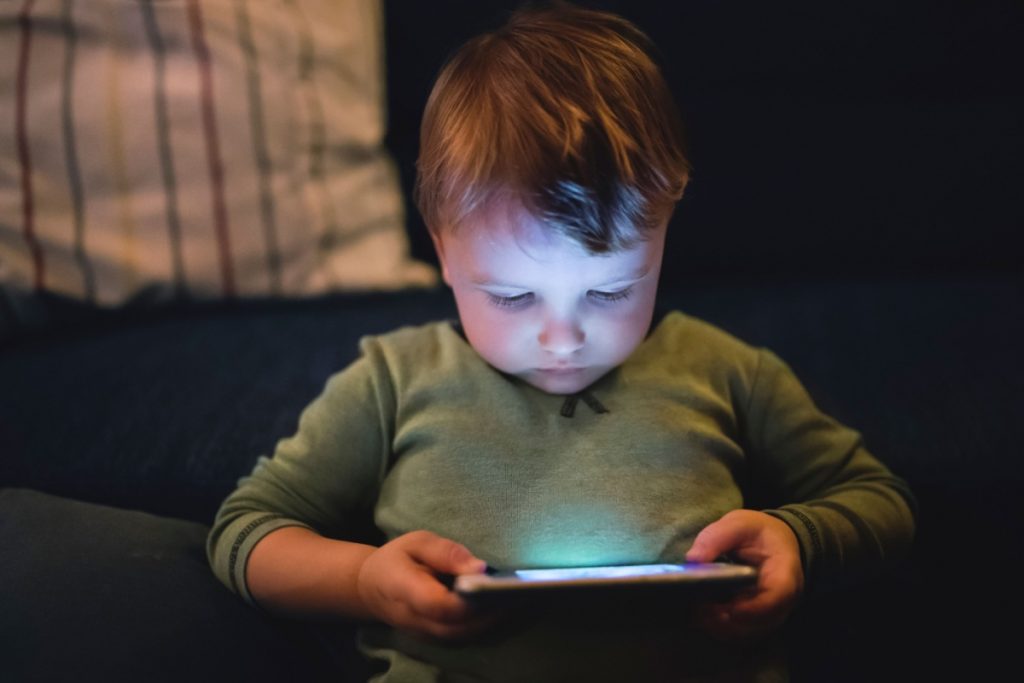
Picture this: it’s 8 PM and you’re locked in another battle with your child about putting away the tablet. Your little one rubs their eyes constantly, complains about headaches, and seems more irritable after screen time.
You’re not alone in wondering how much is too much when it comes to screens and your child’s developing vision. Calgary Optometry Centre understands these daily struggles families face with managing screen time while protecting their children’s eye health.
Age-appropriate screen time limits can protect your child’s eye health while supporting healthy development, with guidelines ranging from no recreational screens for babies to balanced, supervised use for teens.
Screen Time Limits by Age Group
Babies & Toddlers (0-2 Years)
Your baby’s eyes are still learning how to focus and work together. During these critical early months, real-world exploration helps their vision develop properly. Save screens for video calls with grandparents or family members who live far away. Tracking visual milestones during this period helps ensure healthy development.
Toddlers benefit more from touching, tasting, and examining real objects than watching them on screens. This hands-on exploration builds the visual skills they’ll need for reading and learning later.
Preschoolers (2-5 Years)
One hour of high-quality content works well for this age group. Sit with your preschooler and talk about what you’re watching together. This interaction makes screen time more valuable for their learning.
Turn off screens at least one hour before bedtime. The blue light from devices can interfere with your child’s natural sleep patterns, making it harder for them to fall asleep when they need rest.
School Age (6-12 Years)
Balance becomes key as homework often requires computer use. Encourage your child to take breaks every 20 minutes by looking at something across the room for 20 seconds. This simple habit helps prevent eye strain from close-up screen work. The 20-20-20 rule provides an easy way to remember this important break schedule.
Make sure outdoor play happens every day. Natural light and looking at distant objects help your child’s eyes develop properly and can reduce their risk of becoming nearsighted. Preventing myopia progression becomes increasingly important during these school years.
Teens (13-18 Years)
Focus on protecting sleep and eye health rather than strict time limits. Help your teen create screen-free zones during family meals and in bedrooms after a certain time. Good sleep supports overall eye health and helps them stay alert while driving.
If your teen struggles with glare while driving at night, an eye exam can determine if special glasses might help reduce discomfort from headlights and street lights.
Why These Limits Matter for Eye Development
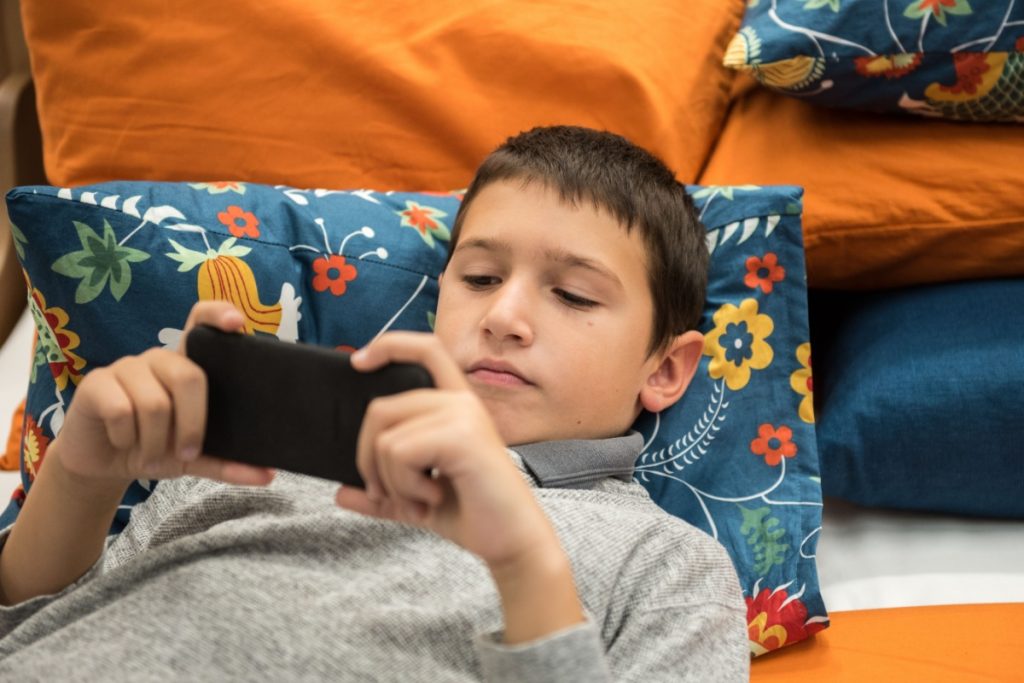
Your child’s eye muscles are still developing and strengthening throughout childhood. Too much close-up screen time can lead to eye strain because these muscles work harder to maintain focus on nearby objects for extended periods. Preventing digital eye strain helps protect their developing visual system.
Screen exposure, especially in the evening, can disrupt your child’s sleep cycle. Poor sleep affects how well their eyes function during the day and can contribute to difficulty concentrating at school.
You might notice behavior changes when your child has too much screen time — increased irritability, difficulty focusing, or resistance to other activities. These changes often improve when you establish consistent screen time boundaries. Child visual development research can help you recognize these important connections.
Quality Over Quantity Screen Time Strategies
Set Up Screen-Free Success
Create a charging station in your main living area where all family devices go during meals and before bedtime. This makes it easier for everyone to disconnect without feeling like they’re missing something important.
Use built-in timers on devices or parental control apps to help your child learn time management. When you model healthy screen habits yourself, your children are more likely to follow the same patterns.
Quality Screen Time Choices
Choose educational apps that require your child to solve problems or create something rather than just watch passively. Interactive content keeps their mind engaged and makes screen time more beneficial for learning.
Watch shows or play games together when possible. This gives you opportunities to discuss what your child sees and helps them think more critically about content.
When to Worry About Screen Time Problems
Pay attention if your child frequently rubs their eyes, complains about headaches, or seems to have trouble seeing the board at school. These signs suggest their vision might need support, especially if screen time has increased recently. Recognizing vision problems early can make a significant difference in your child’s learning and comfort.
Annual eye exams help catch vision changes early, when they’re easier to address. The team at Calgary Optometry Centre can assess how screen time affects your child’s eye health and recommend protective strategies or corrective glasses if needed. Comprehensive eye exams provide the thorough assessment your child’s developing vision requires.
Taking care of your family’s eye health doesn’t have to feel overwhelming. By setting age-appropriate screen limits and staying aware of changes in your child’s vision, you’re giving them the foundation for healthy eyesight throughout their lives. Contact our team Calgary Optometry Centre today to schedule your child’s comprehensive eye exam to learn how to protect their developing vision.